Living on the Costa Del Sol Without Speaking Spanish is entirely possible, particularly in international communities such as Fuengirola, Mijas Costa, Marbella, Benalmádena and Estepona. English is widely spoken in many restaurants, shops, medical clinics and businesses serving international residents. You’ll also find multilingual estate agents, international schools and established communities from across Europe. However, Spanish remains the official language used in local administration and many everyday situations. While you don’t need to speak fluent Spanish to enjoy life on the Costa del Sol, learning a few basic phrases can make settling in easier and help you feel more connected to your new home.
Can You Really Live on the Costa del Sol Without Speaking Spanish?
It’s one of the questions international buyers often ask when considering a move to southern Spain.
“I’d love to live on the Costa del Sol, but I don’t speak Spanish. Will that be a problem?”
The reassuring answer is that you certainly don’t need to be fluent in Spanish before moving here. The Costa del Sol has welcomed international visitors and residents for decades. Today, it is home to established British, Scandinavian, German, Dutch and many other international communities.
In popular coastal towns, it’s perfectly normal to hear several different languages while enjoying a coffee, visiting the supermarket or walking along the beachfront promenade. But there’s an important difference between being able to get by in English and feeling completely at home in Spain.
Understanding that difference will help you make the most of your new life on the Costa del Sol.
1. Why the Costa del Sol Is So Welcoming to International Residents
The Costa del Sol has a long history as an international destination. Since tourism began expanding significantly during the 1950s and 1960s, the region has attracted people from across Europe and beyond.
Over time, many visitors decided that a few weeks of sunshine simply weren’t enough. They purchased holiday homes, relocated permanently, opened businesses and established families in the region.
This has helped create a welcoming, multicultural environment where international residents are part of everyday life.
Today, you’ll find:
- Supermarkets selling British, Scandinavian and other international products.
- English-speaking estate agents, lawyers and professional services.
- Private healthcare providers offering multilingual appointments.
- International schools and educational facilities.
- Social clubs, sports groups and community associations.
- Restaurants and businesses accustomed to international customers.
For newcomers, this international environment can make the transition to living in Spain considerably easier.
2. The Best Costa del Sol Areas for English-Speaking Residents
Some areas of the Costa del Sol have particularly well-established English-speaking communities. If you’re concerned about the language barrier, these destinations are excellent places to begin your property search.
| Area | International community | Lifestyle appeal |
|---|---|---|
| Fuengirola | Very established | Walkable town, beaches and excellent transport |
| Benalmádena | Well established | Coastal living, amenities and international residents |
| La Cala de Mijas | Popular with British and other European residents | Village atmosphere, restaurants and beaches |
| Calahonda | Established multinational residential community | Apartments, villas and a relaxed lifestyle |
| Marbella | Highly international | Luxury amenities, restaurants and diverse neighbourhoods |
| Estepona | Growing international community | Traditional Spanish character and modern coastal living |
These areas offer a useful combination of international services and everyday Spanish life. However, even within the same town, the atmosphere can vary considerably.
An apartment in a development with many international owners may feel very different from a property in a traditional Spanish residential neighbourhood.
LOCAL INSIGHT — HELLO SPAIN PROPERTIES
With more than 30 years of Costa del Sol real estate experience, we understand that finding the right community is just as important as finding the right property.
For buyers who don’t speak Spanish, we recommend exploring neighbourhoods in person and considering the services available nearby.
Some people enjoy being surrounded by an established international community, while others prefer a more traditional Spanish environment where they can gradually learn the language. Neither choice is better. What matters is finding somewhere you feel comfortable.
3. Everyday Life: Where English Is Commonly Spoken
One of the biggest advantages of living on the Costa del Sol is how easy many everyday activities can be for English speakers. In popular international areas, you’ll often find English-speaking staff in restaurants, cafés, shops and businesses.
Many supermarkets stock familiar products from other European countries, while international social groups make it easier to meet people and build friendships.
For someone retiring or purchasing a holiday home, these conveniences can make settling in feel surprisingly straightforward.
However, English-language services aren’t universal. Smaller independent shops, local tradespeople, municipal offices and businesses in more traditional neighbourhoods may operate primarily in Spanish.
It helps to approach these situations with patience, a translation app and a willingness to learn. A friendly greeting in Spanish can go a long way, even if the rest of the conversation takes place in English.
4. Healthcare on the Costa del Sol Without Speaking Spanish
Access to healthcare is an important consideration for anyone planning to live in Spain. The Costa del Sol offers both public healthcare facilities and private medical providers, including clinics accustomed to treating international patients.
Some private hospitals and medical centres offer English-speaking doctors, multilingual reception teams or interpreter services.
However, you should never assume that English-speaking staff will be available for every appointment or emergency. Spanish is the main working language in the public healthcare system.
If you’re moving permanently, it’s sensible to investigate your healthcare eligibility, insurance requirements and nearby medical facilities before relocating.
For important appointments, consider arranging language assistance where necessary. Keeping a written record of your medications, allergies and relevant medical information can also be helpful.
Our advice: If healthcare access is a priority, choose your residential location with convenient medical services in mind, rather than focusing exclusively on the property itself.
5. International Schools Make Family Relocation Easier
Families moving to the Costa del Sol will find a choice of international educational options. Established schools in and around Marbella, Mijas, Fuengirola and other coastal areas offer British and international curricula.
For children who don’t speak Spanish, an English-language school can provide a familiar educational environment while they adjust to living in another country.
Many international schools also offer Spanish-language learning as part of their educational programmes. Families may alternatively consider Spanish schools, depending on their children’s ages, language abilities and long-term plans.
There is no single solution that suits every family. School location is also an important consideration when choosing a home, particularly because daily travelling times can vary significantly.
Explore educational options in our guide to The Best International Schools on the Costa del Sol and discover which locations may suit your family’s needs.
6. Buying Property Without Speaking Spanish
One of the most reassuring things for international buyers is that you don’t need to speak Spanish to purchase a property on the Costa del Sol. There are experienced English-speaking estate agents, independent lawyers, mortgage specialists and other professionals who regularly assist overseas purchasers.
At Hello Spain Properties, we help international buyers understand their options and navigate the practical stages of finding and purchasing a home.
However, Spanish property transactions involve legal documentation, contracts and administrative procedures that must be properly understood.
Your independent lawyer should explain the relevant documents and obligations in a language you understand, arranging appropriate translations when necessary.
You should never sign a document simply because someone tells you it is standard practice. Understanding the process is much more important than being able to speak Spanish yourself.
Our Property Purchase Process on the Costa del Sol guide will help you to understand property reservations, legal checks, purchase contracts and completion.
7. Handling Spanish Paperwork and Administration
Although daily life can often be managed in English, official paperwork is one area where some Spanish-language assistance may be particularly useful.
Depending on your circumstances, you may need to deal with:
- NIE identification number applications.
- Residency and immigration procedures.
- Local town hall registration, known as empadronamiento.
- Tax correspondence and property ownership records.
- Utility contracts and administrative forms.
- Vehicle registration or driving-related matters.
Many official documents and procedures are conducted in Spanish. Fortunately, professional advisers and authorised representatives can help with appropriate administrative tasks.
If you’re planning to move permanently, it’s also important to understand that purchasing property does not automatically provide Spanish residency rights.
Learn about the practical considerations and possible residency routes for international buyers in our guide to your Visa Options on the Costa Del Sol.
8. Making Friends and Building a Social Life
One of the nicest aspects of living on the Costa del Sol is the opportunity to meet people from different backgrounds.
International residents can find social opportunities through golf clubs, walking groups, fitness classes, language exchanges, volunteering and local community organisations.
For newcomers, these activities can be a wonderful way to establish friendships.
You may initially find yourself spending more time with people who speak your own language, particularly while you’re adjusting to your new surroundings. That’s completely understandable.
However, it’s also worth exploring activities that bring you into contact with Spanish residents.
Local markets, neighbourhood cafés, community celebrations and cultural events offer opportunities to become more familiar with Spanish life.
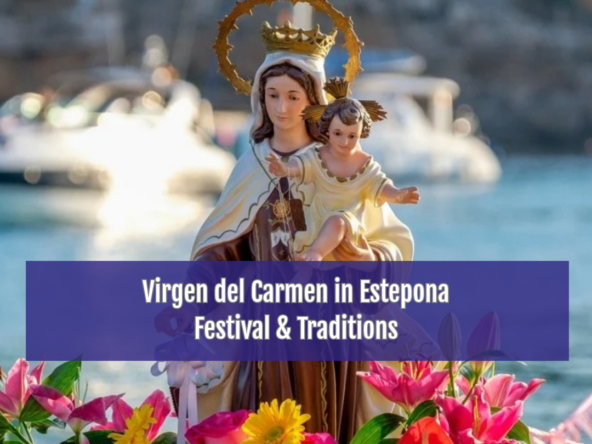
In towns such as Estepona, traditional celebrations including Virgen del Carmen demonstrate how important local heritage and community remain.
Participating in these occasions can help you feel connected to your surroundings, even before you’ve developed strong Spanish-language skills.
9. Why Learning Some Spanish Is Worthwhile
Although living on the Costa Del Sol Without Speaking Spanish is possible, learning even a little of the language can make everyday experiences much more rewarding.
You don’t need to master complicated grammar or speak perfectly. A few useful phrases can help you order food, ask questions, greet neighbours and manage simple conversations.
Here are some good expressions to begin with:
| Spanish | English |
|---|---|
| Buenos días | Good morning |
| Por favor | Please |
| Muchas gracias | Thank you very much |
| ¿Habla inglés? | Do you speak English? |
| No hablo mucho español | I don’t speak much Spanish |
| ¿Cuánto cuesta? | How much does it cost? |
| ¿Dónde está…? | Where is…? |
| ¿Puede hablar más despacio? | Can you speak more slowly? |
Most importantly, don’t worry about making mistakes. Learning a language takes time, and small efforts to communicate can make everyday interactions friendlier and more enjoyable.
10. Easy Ways to Learn Spanish After Moving
The Costa del Sol offers plenty of opportunities to improve your Spanish without making it feel like a chore. You might consider joining a local language class, attending a conversation exchange or using a language-learning app.
Some people enjoy practising with neighbours, while others find that regular visits to Spanish cafés and markets help them become more confident.
A few simple habits can make a difference:
- Learn five useful words or expressions each week.
- Practise ordering in Spanish at local restaurants.
- Listen to Spanish radio or television.
- Join a local conversation group.
- Use everyday situations as opportunities to practise.
The goal doesn’t need to be fluency. Being able to communicate comfortably in familiar situations can give you greater independence and help you appreciate the culture around you.
11. Choosing Between an International and Traditional Spanish Community
When searching for a home, it’s worth thinking about the type of neighbourhood that would make you happiest. An international development can offer familiar surroundings, shared facilities and neighbours who speak your language.
A traditional Spanish neighbourhood may provide more opportunities to experience local customs and practise Spanish.
| International residential community | Traditional Spanish neighbourhood |
|---|---|
| More opportunities to meet other international residents | More everyday interaction with Spanish neighbours |
| English may be widely spoken | Spanish is more commonly used |
| Familiar social activities and international services | Local traditions and community events |
| Popular with holiday-home owners and relocating buyers | Often attractive to those seeking cultural immersion |
Of course, many Costa del Sol neighbourhoods offer a mixture of both. You don’t necessarily have to choose between international convenience and authentic Spanish living.
LOCAL INSIGHT — HELLO SPAIN PROPERTIES
When helping buyers explore the Costa del Sol, we always recommend thinking beyond the property photographs.
Consider whether you’d like to walk to a traditional Spanish café, enjoy the social atmosphere of an international development or have a mixture of both. A home that suits your personality and everyday routine will often bring more satisfaction than one chosen purely for its views or appearance.
12. Practical Tips for Settling into Life on the Costa del Sol
Moving to another country involves more than purchasing a property, but a little preparation can make the transition easier. Before relocating, explore the neighbourhoods you’re considering and spend time in them outside the main holiday season.
Research nearby healthcare services, supermarkets, transport connections and any facilities important to your lifestyle. It’s also worth arranging suitable professional support for legal, tax and administrative matters.
If you’re purchasing a property, make sure you understand the full costs of ownership, including local taxes, community fees and maintenance.
Understand the financial responsibilities associated with buying and owning a home in Spain. Our guide to Property Taxes on the Costa Del Sol can help you do that.
For buyers considering financing, researching Spanish mortgage options before beginning your property search can also be helpful. Explore the mortgage process for international buyers in our How to Get a Mortgage on the Costa Del Sol guide.
Finding Your Place on the Costa del Sol with Hello Spain Properties
The wonderful thing about the Costa del Sol is that it offers so many different ways to enjoy life in Spain. You can live in a lively international community, settle into a traditional Spanish town or find a peaceful residential development overlooking the Mediterranean.
And while speaking Spanish will certainly enrich your experience, it doesn’t have to be a barrier to taking that first step.
At Hello Spain Properties, we have more than 30 years of experience helping buyers explore the Costa del Sol property market. We understand that finding the right home means considering much more than bedrooms, bathrooms and budgets.
It’s about finding somewhere you feel comfortable, connected and excited to spend your time.
Whether you’re planning a permanent move, searching for a holiday home or considering retirement in Spain, we’d be delighted to help you explore your options.
Contact Hello Spain Properties at [email protected] for friendly, personalised advice about finding your ideal home on the Costa del Sol.
Frequently Asked Questions About Living on the Costa del Sol Without Speaking Spanish
1. Can you live on the Costa del Sol without speaking Spanish?
Yes. Many international residents live comfortably on the Costa del Sol without speaking fluent Spanish. English is widely spoken in popular coastal destinations, particularly in businesses serving international communities. However, some Spanish is helpful for official paperwork, public healthcare and communication with local residents.
2. Which Costa del Sol towns are best for English speakers?
Fuengirola, Benalmádena, La Cala de Mijas, Calahonda, Marbella and Estepona all have established international communities. These areas offer English-speaking services, social activities and amenities familiar to overseas residents. The best location depends on your budget, lifestyle preferences and whether you’re relocating permanently or buying a holiday home.
3. Is English widely spoken in Marbella?
Yes. English is widely spoken in many Marbella restaurants, shops, property businesses, private medical clinics and international services. Marbella attracts residents and visitors from around the world. However, Spanish remains important for local administration and communication in more traditional neighbourhoods.
4. Is Estepona suitable for people who don’t speak Spanish?
Yes. Estepona has an established and growing international community, particularly in residential developments and coastal neighbourhoods. Many businesses serving international residents offer English-language assistance. The traditional Old Town retains a strong Spanish identity, making it an appealing location for people who want to experience local culture while gradually learning the language.
5. Can I buy property in Spain without speaking Spanish?
Yes. International buyers can purchase property in Spain without speaking Spanish. English-speaking estate agents, independent lawyers and other professionals can assist with the process. However, contracts and legal documents must be properly understood, so appropriate professional advice and translations are important before signing.
6. Can I access healthcare on the Costa del Sol in English?
Some private hospitals and clinics offer English-speaking medical professionals and multilingual services. However, availability varies, and English-language assistance should not be assumed, particularly in public healthcare settings. It’s sensible to investigate local healthcare arrangements and organise interpretation support when necessary.
7. Are there English-speaking schools on the Costa del Sol?
Yes. The Costa del Sol has several established international schools offering British and other educational programmes. Families can explore options in Marbella, Mijas and surrounding areas. Admissions requirements, fees, curricula and school locations vary, so researching educational options before choosing a residential neighbourhood is advisable.
8. Do I need to learn Spanish before moving to the Costa del Sol?
No, you don’t need to become fluent before relocating. Many newcomers begin learning Spanish after arriving. However, understanding basic greetings, everyday expressions and simple questions can make settling in easier and help you communicate more confidently with neighbours, businesses and local service providers.
9. Is it easy to make friends on the Costa del Sol?
The Costa del Sol has numerous international communities, social clubs, sports groups and local activities that can help newcomers meet people. Joining walking groups, fitness classes, language exchanges or community events can be a good starting point. Learning some Spanish also creates opportunities to develop friendships beyond English-speaking circles.
10. Is the Costa del Sol a good place to retire if I don’t speak Spanish?
Yes. The region is popular with international retirees thanks to its Mediterranean climate, established communities, healthcare options and leisure facilities. Many people settle comfortably without fluent Spanish. Choosing a neighbourhood with convenient amenities and access to suitable medical services can make retirement particularly enjoyable.
11. Is learning Spanish worthwhile if everyone around me speaks English?
Absolutely. Even if you live in an English-speaking community, learning Spanish can make everyday life easier and more rewarding. It helps you communicate with local residents, understand cultural traditions and feel more independent. You don’t need to become fluent to enjoy the benefits of speaking a little Spanish.